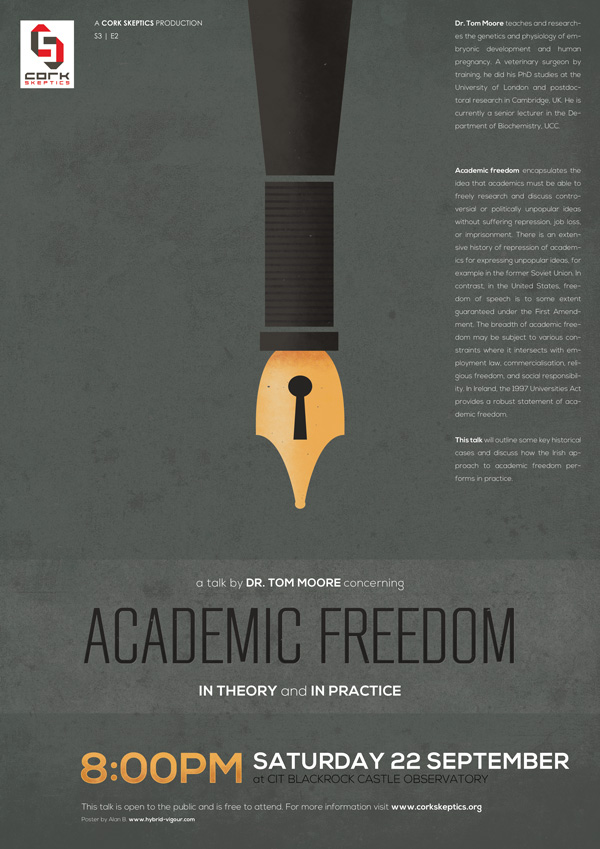
Our next meeting will take place on Saturday 22nd September, at Blackrock Castle Observatory, starting at 8.00pm. The talk is by Dr. Tom Moore, a senior lecturer in the Department of Biochemistry at UCC, and will examine the topic of academic freedom.
Academic freedom encapsulates the idea that academics must be able to freely research and discuss controversial or politically unpopular ideas without suffering repression, job loss, or imprisonment. There is an extensive history of repression of academics for expressing unpopular ideas, for example in the former Soviet Union. In contrast, in the United States, freedom of speech is to some extent guaranteed under the First Amendment. The breadth of academic freedom may be subject to various constraints where it intersects with employment law, commercialisation, religious freedom, and social responsibility. In Ireland, the 1997 Universities Act provides a robust statement of academic freedom.
This talk will outline some key historical cases and discuss how the Irish approach to academic freedom performs in practice.
Dr. Tom Moore teaches and researches the genetics and physiology of embryonic development and human pregnancy. A veterinary surgeon by training, he did his PhD studies at the University of London and postdoctoral research in Cambridge, UK. He is currently a senior lecturer in the Department of Biochemistry, UCC.
Our next meeting will take place on Saturday 18th August, at Blackrock Castle Observatory, starting at 8.00pm. The talk is by Cork Skeptics member Reg Murphy, and promises to be a fascinating look behind the industry of modern art. Reg has a degree in Fine Art from Limerick School of Art and is an avid art enthusiast. Reg has supplied an outline of the talk below.
In this talk I won’t deal with lofty questions like: what is art? What is the meaning of art? etc.; these are subjective issues best left to philosophers and not truly accessible to skeptical analysis. What I will talk about is Modern Art’s essential relationship with Money, Prestige and Entertainment. Modern Art, for better or worse is a big worldwide industry which employs tens of thousands, entertains millions, generates billions (literally), and causes (occasionally) mass trauma and outrage. Decisions concerning it often go to the highest levels of Government and it is often used as branch of diplomacy.
In a heavily illustrated slide lecture, I hope to give a fun and irreverent (i.e. free of jargon) overview, providing a highly condensed history from French Impressionism to the current day, revealing:
The Artists: Where do I start? The Collectors: Visionaries, fools or prudent investors? The Dealers: Smarmy charlatans or the hand maidens of Culture? The Critics: Vindictive failed artists or heroic cheerleaders? The Media: Vulgarians or honesty reflecting public bafflement? The Curators: Elitist snobs or a sincere desire to stimulate the public? The State Galleries: A waste of public money or vastly important tourist draws? Government: Arts spending; the role of Cultural heritage and national prestige.
Most importantly, and perhaps not widely appreciated: How visual art became a mass spectacle (a very modern phenomena).
All these elements will build up a picture of the current contemporary art scene and will show that despite stupidity, hubris and greed, the public are the winners and are in fact, greatly enriched.
Ben Makin has tried a complete alphabet of traditional, complimentary and New Age treatments and practices. She will take us on a rapid tour of alternative and complimentary medicine, from Applied Kinesiology to Zen Buddhism, and ask “Where’s the harm?”
Dr Stephen Makin will reply, looking at the evidence and discussing cases where real harm has been done by alternative practices, and explaining why skeptics should continue to fight against quackery and cons.
Ben Makin was raised on goats’ milk and home-made wholemeal bread and started her working life at Culpepper’s the Herbalist; she now maintains the Edinburgh Skeptics website.
Stephen Makin was raised on soya milk and meditation, and ran away to Medical School to become a doctor. He is a Clinical Research Fellow in Stroke Medicine at Edinburgh University who spends too much time arguing with proponents of woo on the internet.
Muireann is a lecturer in Bioethics, with a particular interest in property law regarding the human body. Prior to taking up the lectureship, Muireann worked as a Research Fellow in Bioethics and Law. In a previous life she was a medical doctor where she worked in General Medicine and A&E. She has also worked as a Screening Physician for a phase I clinical trials company.
Muireann’s talk, entitled So You Think You Own Your Body? will look at the changing role of the body and human biomaterials in a rapidly developing biotechnological world. She will show how the uses and misuses of persons and their tissues and cells by medicine, scientists, pharmaceutical companies and industry have risen and expanded exponentially.
In so doing, Muireann will argue that advancing biotechnology has fundamentally altered the way we view the human body and its parts and products. During the talk we will see that the fact that each of us is a potential provider of material for research has placed the human body and biomaterials in the realm of property. Using some relevant stories and cases, the talk will highlight the conflicts that can arise over the use of human tissue for research in the ’tissue economy’; thereby, illustrating that the body (and its parts) can be viewed as being in flux, scientifically, legally, and ethically though.
In a few years time, there may well be no rhinos left alive. And when I say no rhinos, I do not mean “none left in the wild”. I mean none in the zoos either. The captive animals will have been killed too. The reason for this is an insatiable desire among some people for rhinoceros horn – a material thought by some to possess magical healing powers. It’s really just a mass of keratin – the same substance that your hair and fingernails is made from. There is good money to be made from this trade. International criminals have stopped at nothing: butchering animals all across Asia and Africa, even breaking into museums to steal horns for the black-market. Some say it’s worth more per gram than cocaine. In pursuit of an odious delusion, we are witnessing the imminent extinction in our lifetime, of an animal, variants of which have existed on this planet for 33 million years.
This is what you get when critical thinking is left to one side and blind belief trumps patient scientific inquiry. Where unsupported and uncontested beliefs thrive, dreadful scenarios can play themselves out, right down to the last animal standing.
We don’t have to go as far as the traditional medicine markets of China or Vietnam to find such strange and destructive beliefs. There is a woeful lack of rational thinking all around us. Every day, uncritical and pseudo-critical thinking sends people down fruitless, and sometimes dangerous cul-de-sacs. It has lead to poor decisions, bad investments, unfair treatment of others and unquestioning acceptance of leaders who should never have been given the whiff of power.
Skepticism is often dismissed by critics as an obsession with the weird and outlandish, or a cynical repudiation of personal beliefs that are comforting to many and threatening to no-one. This is missing the point. While individual issues might easily be dismissed in this manner, the wider issue is a lack of critical thinking and an almost systematic undermining of the role of science and the value of evidence throughout society.
As people who value rational thinking, we get exasperated by the alternative medicine industry, not just because the products they advertise are usually useless, but because they have made a virtue out of ignorance. They are more interested in marketing and subjective hearsay than they are in standards of evidence. Their passionately held rationalisations have damaged any kind of sensible discourse on the subject, making it difficult to distinguish valuable therapies from the nonsensical ones, of which there are a great many examples.
We get frustrated by religionists because, while they seek to shine a critical light on everyone and everything, their own beliefs are beyond the pale of honest inquiry. They make a virtue out of unquestioning acceptance of dogma, pretending to all the world that this is a good thing, when it most certainly isn’t.
We despair of elements within the media, who forsake information dissemination for controversy. In their attempts to create debate where the balance of evidence is overwhelmingly on one side, people are lead to the conclusion that all science is simply a matter of opinion. Propaganda, forcefully and passionately delivered, stands in the ascendant while reality based content seems to survive on the margins.
We should also question our current education system, that, while often rigorous with the accuracy of its curriculums, seems to fail in providing so many students a basic underpinning in how to distinguish fact from fantasy, or how to critically assess new information. The products of this failure are all around us.
Of greatest concern are the politicians, who are happy to distort science in order to appeal to their power base. Rather than lead, they follow; allowing popularity to take precedence over scientific discovery. The results can be catastrophic, as much needed legislation from the environment, to healthcare, to basic human rights, are held up, buried, obfuscated and condemned in equal measure. They have done much to trivialise science and make a virtue out of ignorance.
We live in a world where many people are manifestly ill-informed about all sorts of issues. A large section of society is happy to spend their incomes and savings on spurious magical therapies, as if we were still living in the Dark Ages. Others allow unsupported stories to inform their moral philosophy, leading in turn to tacit support for prejudicial and discriminatory actions. Thousands of people believe in wild conspiracy theories, preferring to believe that astronauts didn’t land on the moon, or that the 9/11 bombings were concocted by an elite cabal within the US Government. There is an appetite for denial, whereby tortured analyses, intellectual bottlenecks and special pleadings are expected to be equated with a cool-headed understanding of the evidence. Many others are simply content to allow arguments from authority or other such logical fallacies to inform all their important decisions.
In the light of such a fog of make believe and dissimulation, there is a need for people to fly the flag for rational thinking. Science and scientific thinking needs to be elevated, both as a means to understand the world and also as our best tool to solve the problems of the present and the future. People need to appreciate the value of evidence – correctly gathered and analysed evidence – in making claims about reality. Fantasy and make-believe have their place in society, but not when it comes to policy making and critical decisions about our future.
Terracotta Warrior (via Mike Stenhouse/ Flickr / CC Licensed)
One of the great things about skepticism is its diversity. There is a skeptical angle in so many areas of human interest. All you need to do is look under the cover of the marketing and you are bound to find some strange ideas hanging around. Consequently, skeptics are interested in all sorts of things, ranging from ghosts, to conspiracy theories, to alternative medicine, to UFOs; as well as the psychology, the history, and the philosophy that accompany such strange and bizarre thinking.
It can be easy to dismiss skepticism as purely a fascination with exotic and extreme ideas, but there is also a very serious side to skepticism. It’s one of the reasons why there is a skeptical movement in the first place. The world of delusional belief sometimes clashes with the world of reality in a way that can cause real casualties.
Here is a brief list of some of these battlegrounds for skepticism. The list below is by no means exhaustive. You may wish to add some of your own. It’s sometimes the case that even the most innocuous delusion can have serious consequences when brought to an extreme.
Anti-Vaccination
Although arguments against vaccines are as old as vaccines themselves, a concerted effort to challenge their use took shape in the 1990’s, when Andrew Wakefield published his findings in the Lancet, a well respected medical journal. Wakefield asserted a link between the childhood MMR vaccine and the onset of autistic spectrum disorders. Although his findings were subsequently found to be fraudulent and the paper withdrawn, the cat was out of the bag. The paper gave impetus to a wide variety of people who preferred to believe in a simple cause for autism, rather than the complex reasons uncovered by researchers. Celebrities such as Carol Vorderman, Jim Carrey, Jenny McCarthy and Bill Maher have been to the fore of the vaccine denial movement while websites such as the Age of Autism link vaccines to all sorts of other disorders. The result has been a drop in vaccination, particularly in the UK, France and the US. Consequent with this is a rise in viral illnesses such as whooping cough and measles. While most children recover from these illnesses, a small percentage are seriously affected, with children dying in some cases. Vaccine denial has consequences to public health because some people – very young babies and people with compromised immune systems – depend on herd immunity to keep them safe from these diseases. A large number of follow up studies have been performed, none of which found a link between vaccines and childhood autism. The relative safety of vaccines has been shown in multiple further studies. The war simmers on, however, with anti-vaccine proponents taking more extreme and conspiratorial viewpoints as their evidence base is undermined.
Creationism
Creationism is a belief that God designed all creatures on the planet to a plan and that species are immutable. More extreme (yet commonly held) creationist beliefs assert that the world is just 6,000 years old and that the Earth and everything on it was formed by God in literally seven days. This bizarre view flies in the face of evolutionary biology and a host of other scientific disciplines. To convinced creationists, evolution is cast as a godless nihilistic belief in dire conflict with the Bible. Although not particularly a problem in most of Europe (Turkey being a notable exception), battles continues to arise in areas where well-funded Christian or Islamic fundamentalists have a strong political influence. Successive attempts have been made in the US to permit creationism, or one of its many variants, to be taught in public schools. Most of these attempts have been rejected by various US courts and grassroots skeptical opposition. The issue is important, because it exposes the lengths to which powerfully connected religious organisations will go to interfere with science education and science policy if it conflicts with their dogmas.
Alternative Medicine
Alternative Medicine (a.k.a. Alt-Med, Integrative Medicine and Complementary and Alternative Medicine [CAM]) is a hugely diverse area with many supporters and acolytes. It encompasses a large body of therapies and putative cures where there is either insufficient scientific evidence to establish their efficacy, or where the available science has shown them to be ineffective. Examples of Alt-Med include Chiropractic, Osteopathy, Acupuncture, Homeopathy, Naturopathy, Anthroposophy, Traditional Chinese Medicine, Chelation Therapy and Kinesthesiology to mention just a few. Although much Alt-Med predates modern medicine, it has experienced a come-back over the past few decades. This is, in some ways, a reaction to the systemisation of organised medicine and the inevitable side-effects or downsides of some medical procedures. With little objective evidence available to back up their claims, proponents liberally quote testimonials and anecdotes, antiquity and popularity as proof of effectiveness. Most Alt-Med therapies are promoted as completely safe, which is unsurprising as most of them are mere placebo. Apart from the fact that many Alt-Med proponents make wild, unsubstantiated claims to promote their remedies, there are some serious issues concerning its promotion and use. Alternative Medicine can needlessly prolong suffering. Irresponsible Alt-Med practitioners have, on occasion, dissuaded patients from more beneficial medical therapies. Alt-Med acolytes have been to the fore in preventing useful and necessary medical therapies from being implemented in places where they are badly needed, a harrowing example being the proliferation of AIDS in sub-Saharan Africa (see below).
Global Warming Denial
Scientists have known for a century that an increase in carbon dioxide can cause an increase in heat absorption in the atmosphere. Nevertheless, a convincing case for warming, and particularly man-made warming, has taken a long time to establish. Warming on a planetary scale is a slow and complex process, so a vast amount of data needs to be collected over decades. Even in the last 100 years, Earth’s temperature has fluctuated greatly, but the underlying trend is unmistakeable. Multiple lines of evidence point to a warming trend that can’t fully be explained through natural factors such as the sun, but which correlate very well with mankind’s increasing demand for fossil fuels. It used to be that global warming and climate change was a relatively uncontroversial part of the sciences. Due to recent international reports and agreements, it is now highly polarised and politicised, despite the fact that the great majority of climate scientists have become convinced by the scientific data now available. Climate scientists have been vilified by certain sections of the media while propaganda services, masquerading as independent think-tanks, receive massive funding from vested interests to cast doubt on the global warming findings. The tactics being used by deniers are almost identical to creationists, and tobacco illness deniers before them. Global Warming denial has become a statement of faith amongst the US Republican party, pitting science against ideology. Given the entrenched views, it could be decades before the issue is resolved: time that could be better used translating the scientific findings into useful action.
HIV/AIDS denial
AIDS is one of the great scourges of our age. Caused by a fast-mutating virus with a long incubation period, it is a very difficult disease to control and manage. Left untreated, it is almost always deadly. According to the World Health Organisation, over 25 million people have died from the pandemic. Fortunately, anti-retroviral drugs have been developed that contain the illness, often offering many years of extra life to people infected with HIV. Despite this, AIDS researchers and activists have been engaged in a long battle with people who claim that HIV is not the cause of AIDS. These HIV deniers scored their biggest successes in South Africa, where, despite the epidemic growing to alarming proportions within the population, the Mbeki government refused to sanction or support anti-retroviral treatment for the illness. Given solid scientific and international support, HIV denialism has diminished as a major issue, with some of its more prominent supporters moving on to other fields of research.
Witch Hunting
Witch hunting is based on a belief that certain people are using magical powers or indulging in occult rituals in order to disrupt society. Accused people, blamed for everything from crop failure to illnesses or unexpected deaths, may be persecuted, ostracised, injured and sometimes killed – all because of a shared delusion among the community. As it is a “guilty until proven innocent” form of indictment, it can be enormously difficult for accused people to clear their name. Although widespread witch hunting disappeared from most societies many centuries ago, it continues to make its presence felt in some areas of the world. In the last decade, children, albinos and elderly people have been targeted as witches in Africa, often with tragic and fatal consequences. Similar stories have emerged in India, Saudi Arabia and the UK.
Cancer Quackery
While we could lump it in with the rest of Alt-Med, cancer quackery deserves its own special place on this list. Cancer remains one of the greatest problems besetting humanity in this century. Although there has been some progress over the last 40 years in the fight against cancer, far too many people have had their lives cut short by it, or, more precisely, the many different afflictions collectively labeled as cancer. No-one is immune: from leading cancer doctors, to pharmaceutical executives, to cancer quacks themselves; belying the main contention of the alternative cancer cure lobby that somehow an elite group are keeping the best stuff to themselves. Cancer quacks prey on the most vulnerable people, often demanding huge fees, while providing no convincing evidence of efficacy. While it is understandable that people in such situations will be willing to try almost anything, often the only long term “positive” outcome is the enrichment of charlatans. Cancer, along with many diseases that are difficult to cure, is an enormous challenge for medical research. The doctors, researchers and specialists simply haven’t yet figured out how to treat and cure many of these diseases. The trouble is, neither have the quacks. They are just better at pretending they do, and they have lucrative financial incentives.
Psychic Counselling
Psychics – people who claim to have supernatural knowledge or powers – come in many shapes and sizes. Psychics have made tidy fortunes through one-to-one counselling, as psychic performers in front of large audiences, or more recently through lucrative phone services. Psychics claim abilities that have never been verified through independent, objective testing. The techniques used are identical to mentalists, yet mentalists never claim to have psychic abilities. It’s easy to dismiss this as part of the normal patchwork of modern life, but in practice, psychics are often dealing with people who may be at a low ebb in their lives, or dealing with traumatic issues such as bereavement, illness or a relationship breakdown. They may benefit more, in the long run, from counselling by properly qualified professionals using evidence based techniques. Psychic counselling shares similar issues with alternative medicine in that there is a strong risk that valuable time is lost consulting psychics when potentially more fruitful avenues could have been used, or that psychics, convinced of their own powers, actively dissuade clients from other treatment options. There is a long list of people who have been manipulated and defrauded by psychics, or provided with information that has subsequently turned out to be utterly untrue.

 Dr. Tom Moore teaches and researches the genetics and physiology of embryonic development and human pregnancy. A veterinary surgeon by training, he did his PhD studies at the University of London and postdoctoral research in Cambridge, UK. He is currently a senior lecturer in the Department of Biochemistry, UCC.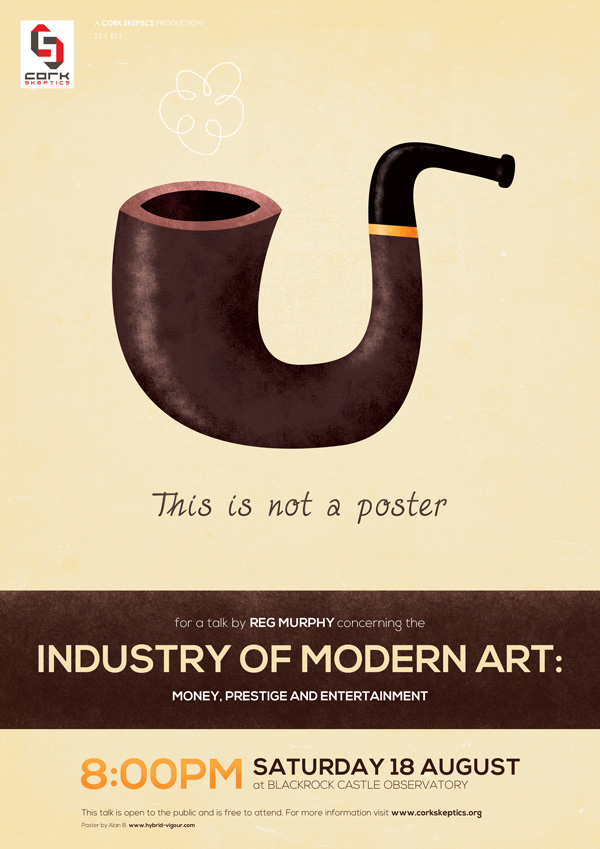

 Ben Makin was raised on goats’ milk and home-made wholemeal bread and started her working life at Culpepper’s the Herbalist; she now maintains the
  Stephen Makin was raised on soya milk and meditation, and ran away to Medical School to become a doctor. He is a Clinical Research Fellow in Stroke Medicine at Edinburgh University who spends too much time arguing with proponents of woo on the internet.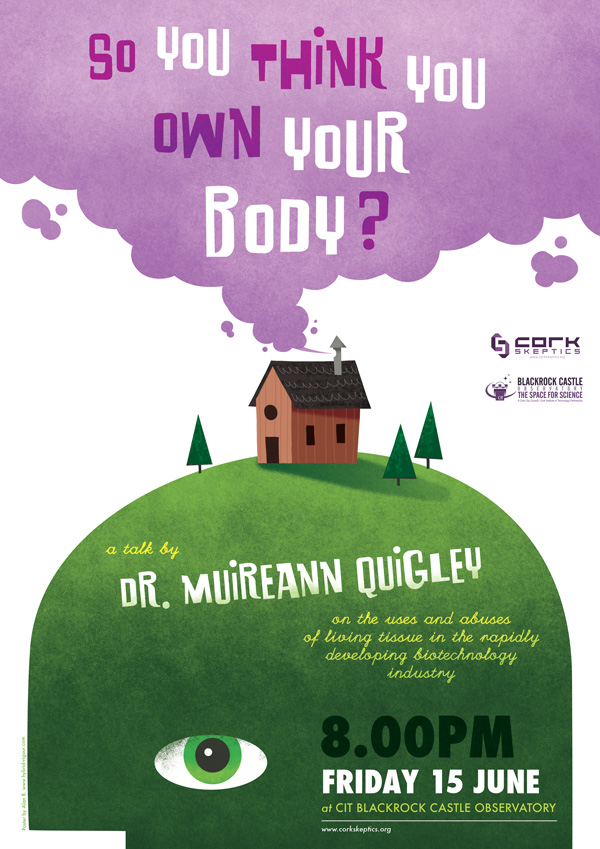
 Muireann’s talk, entitled So You Think You Own Your Body? will look at the changing role of the body and human biomaterials in a rapidly developing biotechnological world. She will show how the uses and misuses of persons and their tissues and cells by medicine, scientists, pharmaceutical companies and industry have risen and expanded exponentially.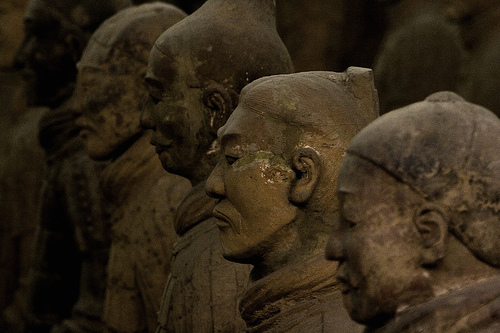




 Cork Skeptics